HTML Meta Tags in SEO: The Ultimate Guide
 August 27, 2025
  Search Engine Optimization
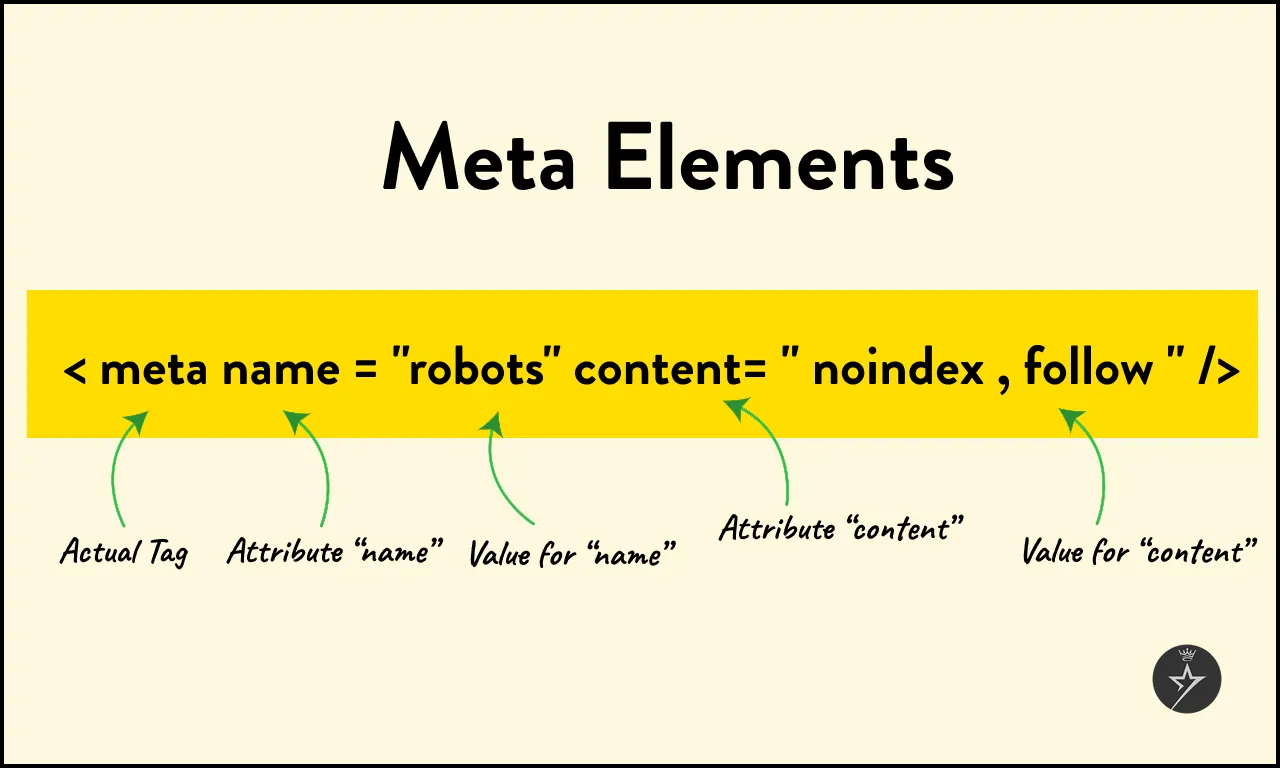
An SEO meta tag is a text that contains information about a webpage for both the search engines and browsers (e.g., Google, Yahoo, and Bing). All meta tags are indicated by the <meta> tag and placed in the <head> section of the webpage.
Meta tags do not appear on a page; they are just present in a page source.
The meta tags in HTML code will look something like this:
1. Meta Title or Title Tag
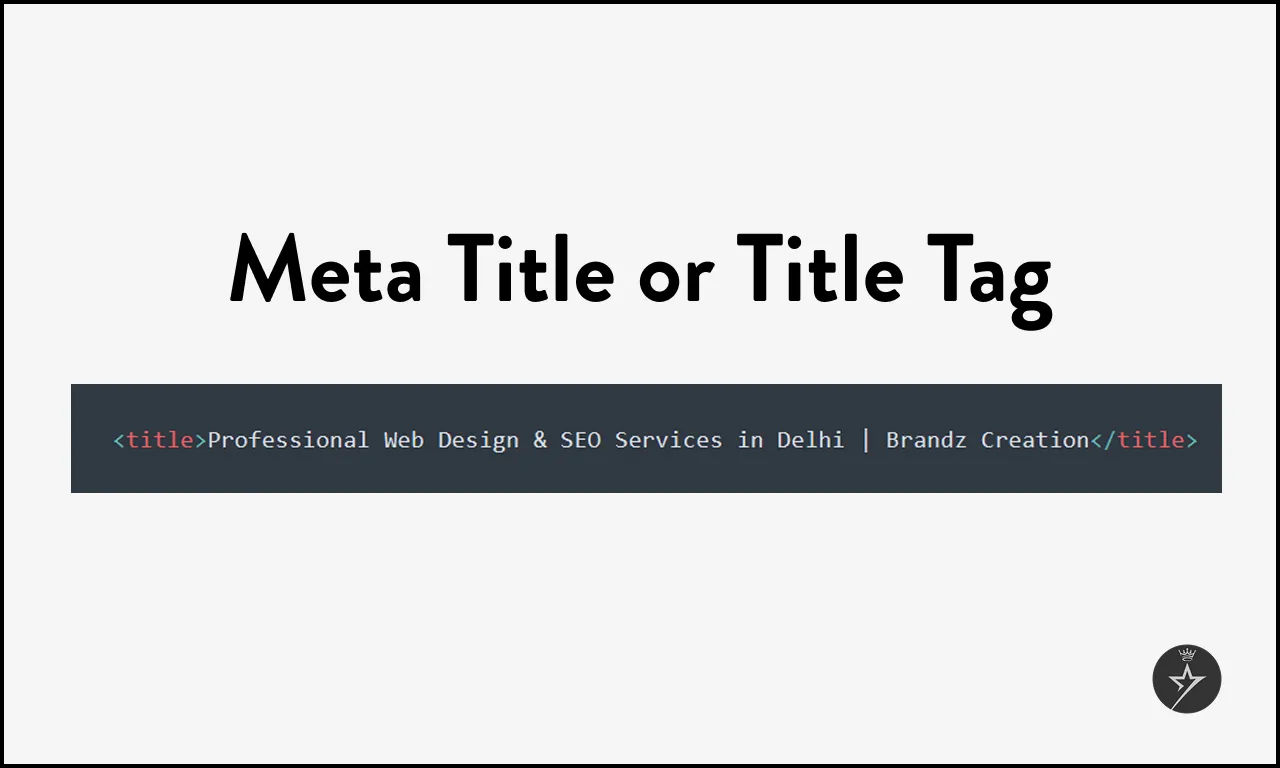
The meta title tag is an HTML element that tells search engines what a given page’s title is. This is the text you will see in the SERP and at the top of your browser. The title is shown as the first clickable element in the page’s snippet on SERPs and conveys the main topic users will find on the page.
As Google, Bing, and Yahoo differ in their exact requirements for the length of the title tag, a good rule of thumb is:
SEO Tips:
2. Meta Description
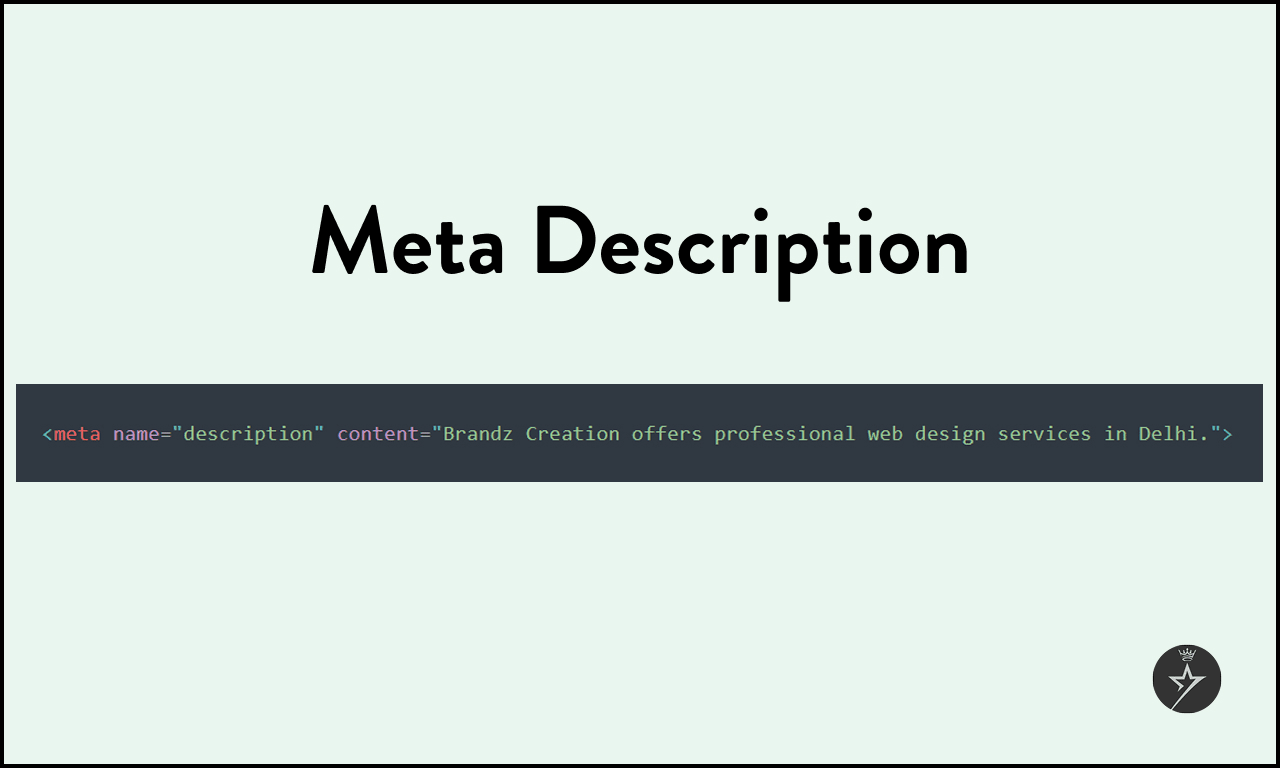
The meta description is an HTML code snippet that summarizes a webpage's content and appears as a summary in search engine result pages (SERPs). It does not directly impact rankings, but it influences user behaviour in search engine results.
The meta description should be relevant and unique, and most importantly, it should summarize the webpage’s content. It should be minimum 70 to maximum 155 characters (430 to 920 pixels) long and include relevant and targeted keywords.
SEO Tips:
3. Robots Meta Tags
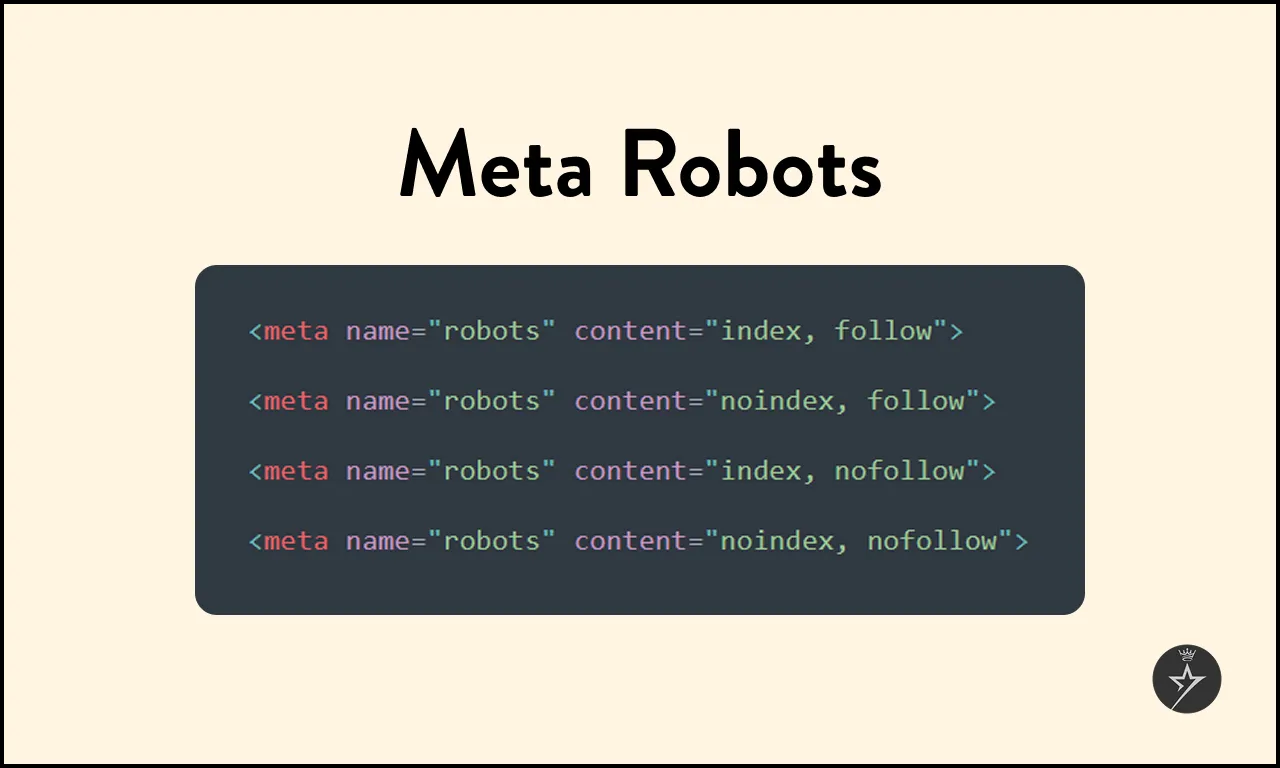
The robots meta tag indicates to search engine crawlers (bots) whether to index a page or follow links. A common use for the meta robot tags is tackling duplicate content in website page issues by making sure duplicates are not indexable.
Values:
SEO Tip:
Use on pages like admin dashboards or duplicate content pages.
4. Meta Keywords
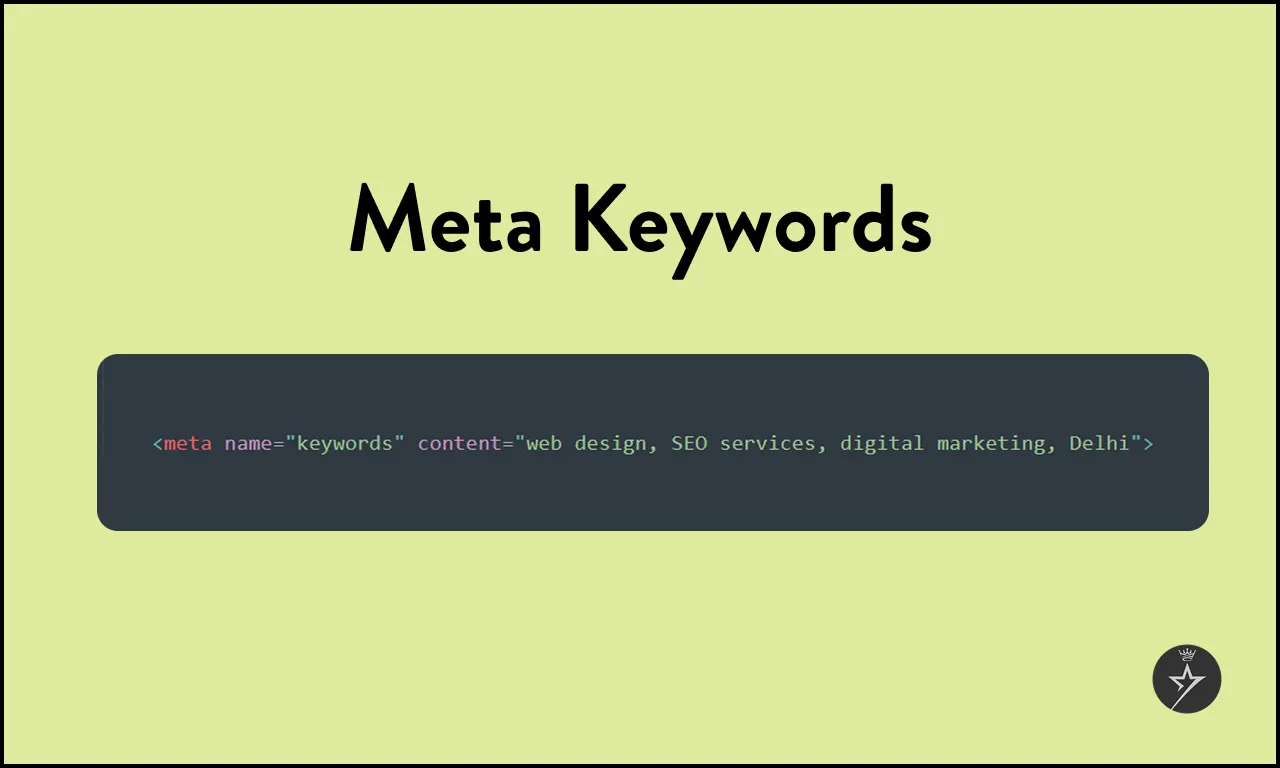
A meta keywords tag is an HTML element that is now obsolete for SEO but can be added for an internal reference webpage. Meta keyword tags were used to provide a list of relevant keywords for a webpage, intended to give search engines information about the page's content.
5. Viewport Meta Tag
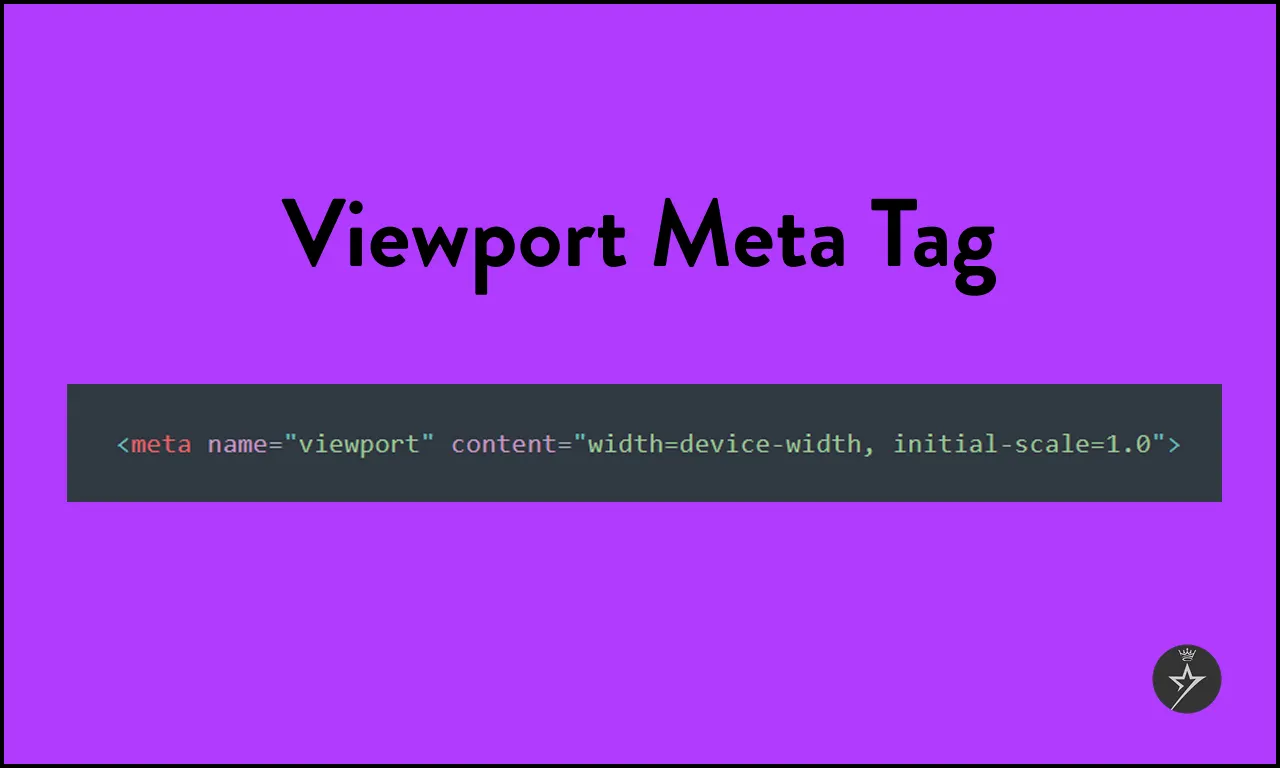
With the increasing number of mobile devices, Google algorithms always make sure the website is set up for both desktop and mobile use for users. The viewport tag ensures your website is responsive and mobile-friendly.
SEO Tips:
Mobile-friendliness is a ranking factor, making this tag essential.
6. Canonical Tag
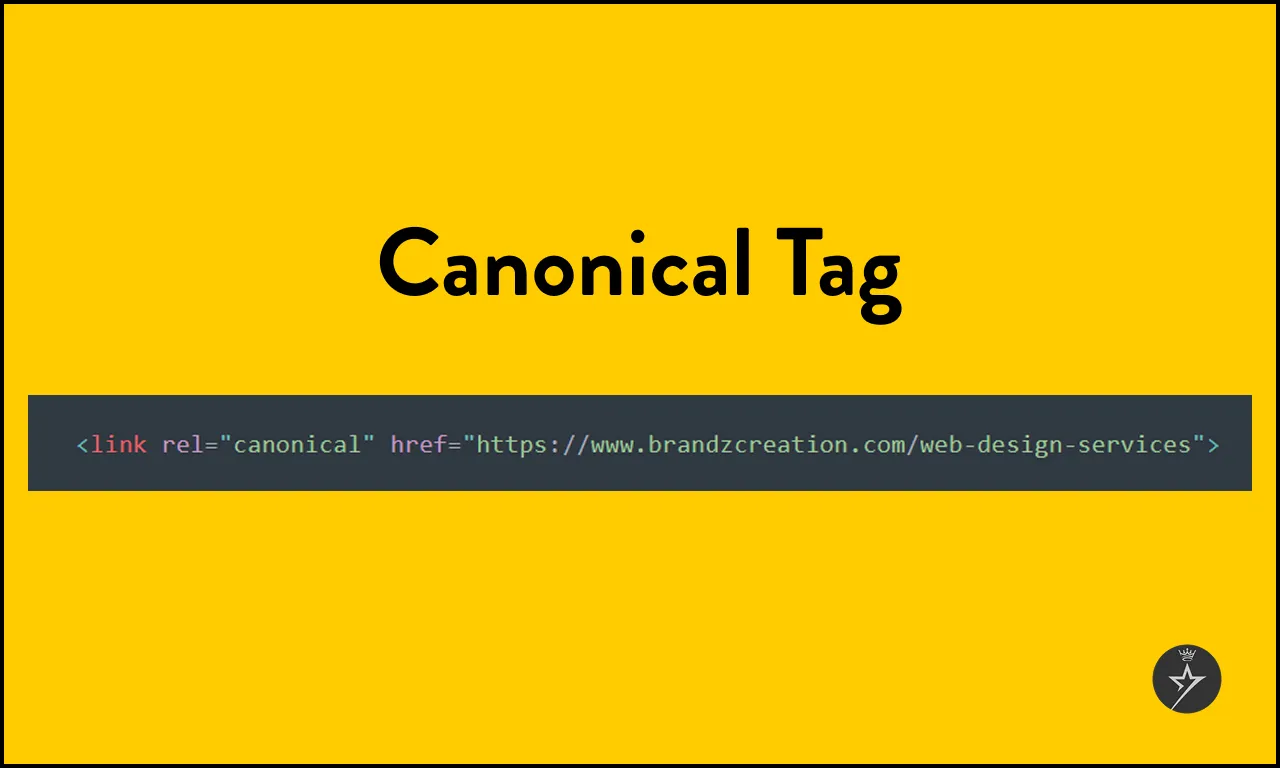
The canonical tag tells search engines, which helps prevent duplicate content by informing search engines to prefer one document over other identical or similar documents. When brandzcreation.in/page1 has a canonical link element referencing brandzcreation.in/page2, you say that brandzcreation.in/page1 has been canonicalized.
The canonical tag should be located in the <head> section of the webpage source. For our homepage, the canonical tag looks as follows:
7. Basic HTML Meta Tags
Other basic HTML meta tags include charset, language, and author. These form the foundation of your HTML page:
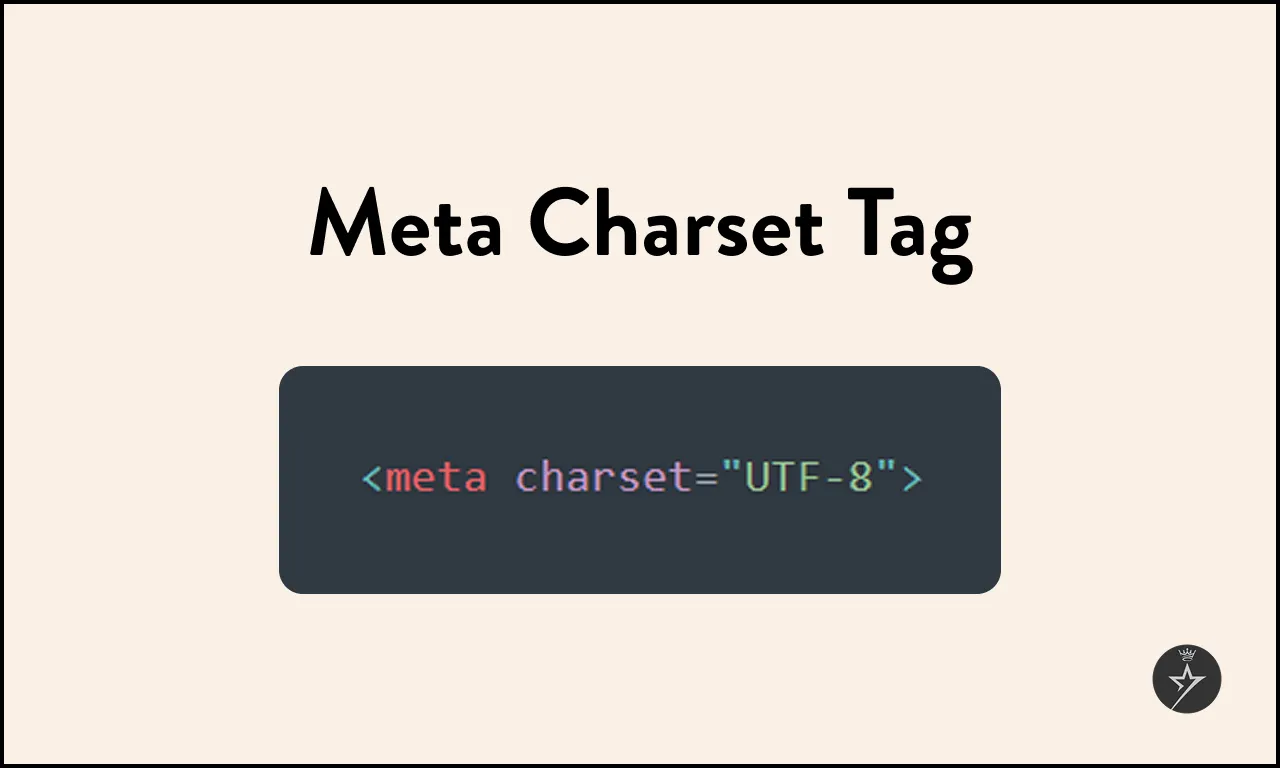
1. Meta Charset Tag
The meta charset tag indicates to the browser or search engines the character encoding for the HTML document. The two most common values are:
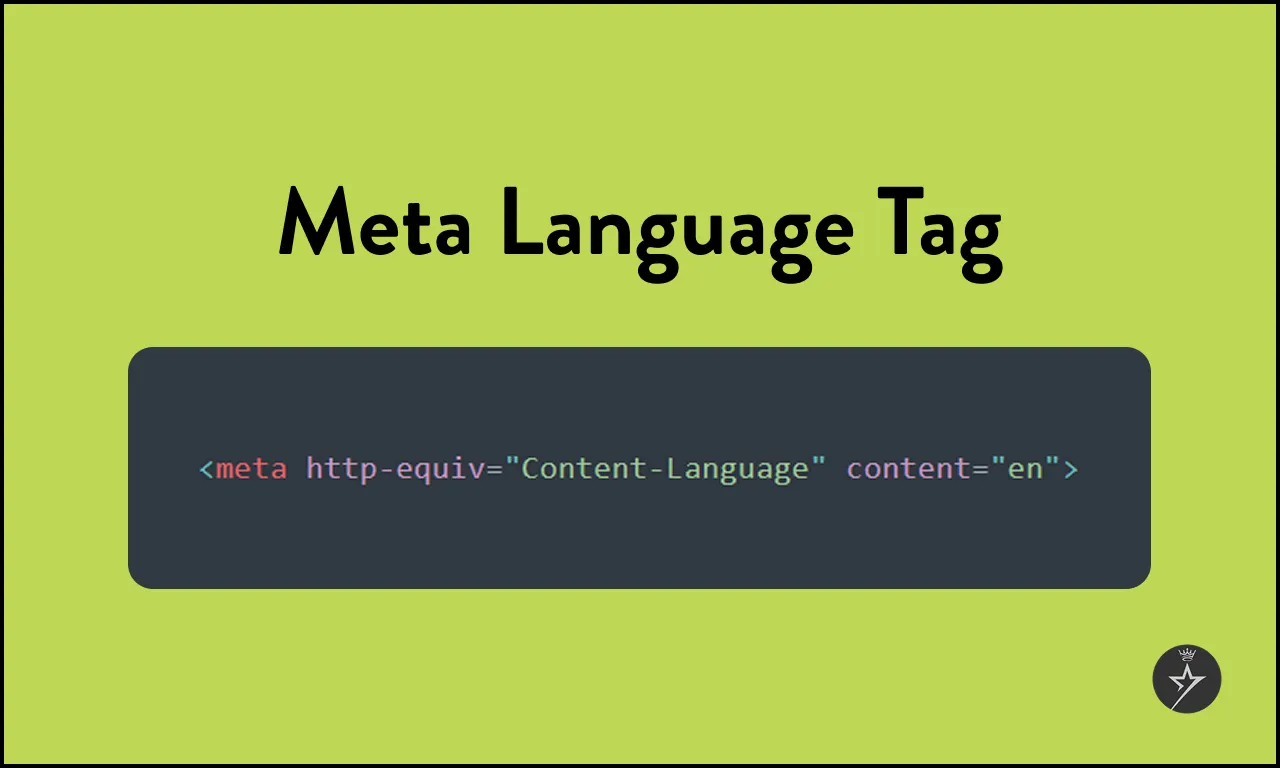
2. Language Tag
The language tag specifies the language of the webpage’s content. This meta tag is used by Bing, while for Google, it is better to use the hreflang attribute.
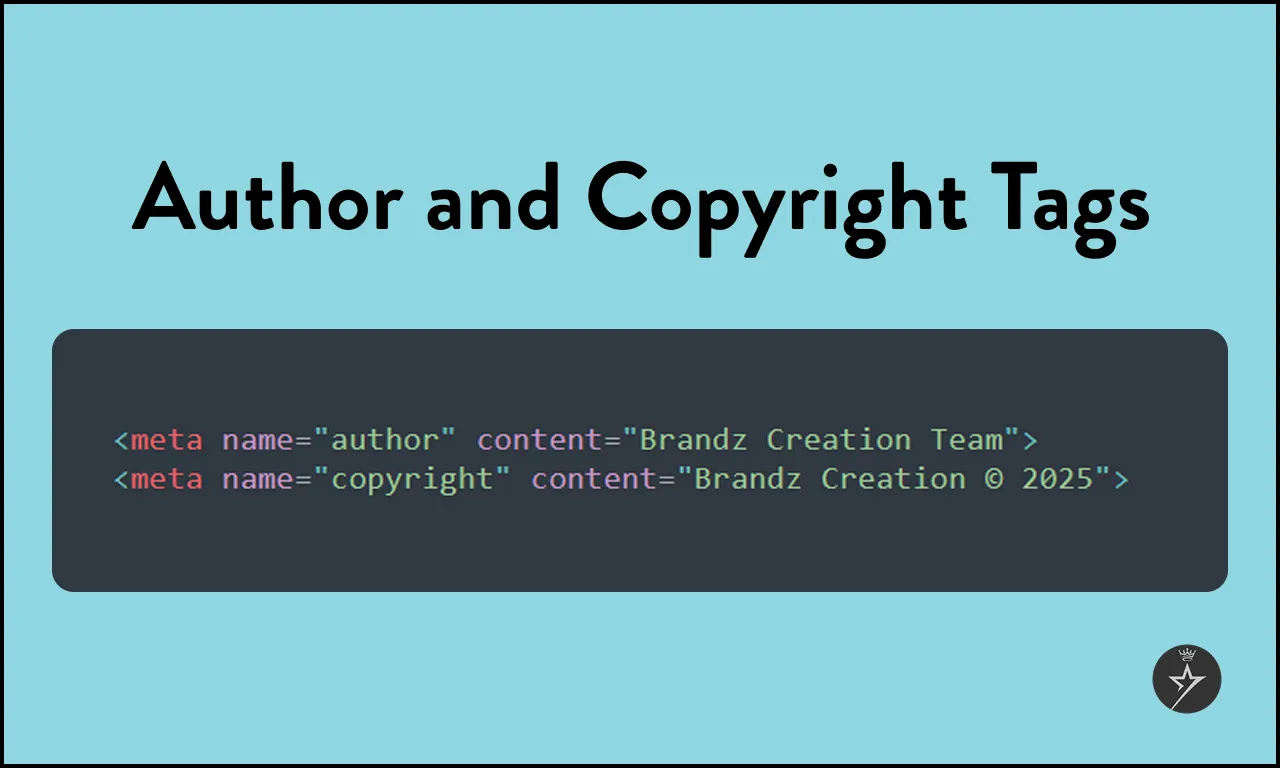
3. Author and Copyright Tags
An author and copyright tag HTML element that specifies the creator of the content and copyright information.
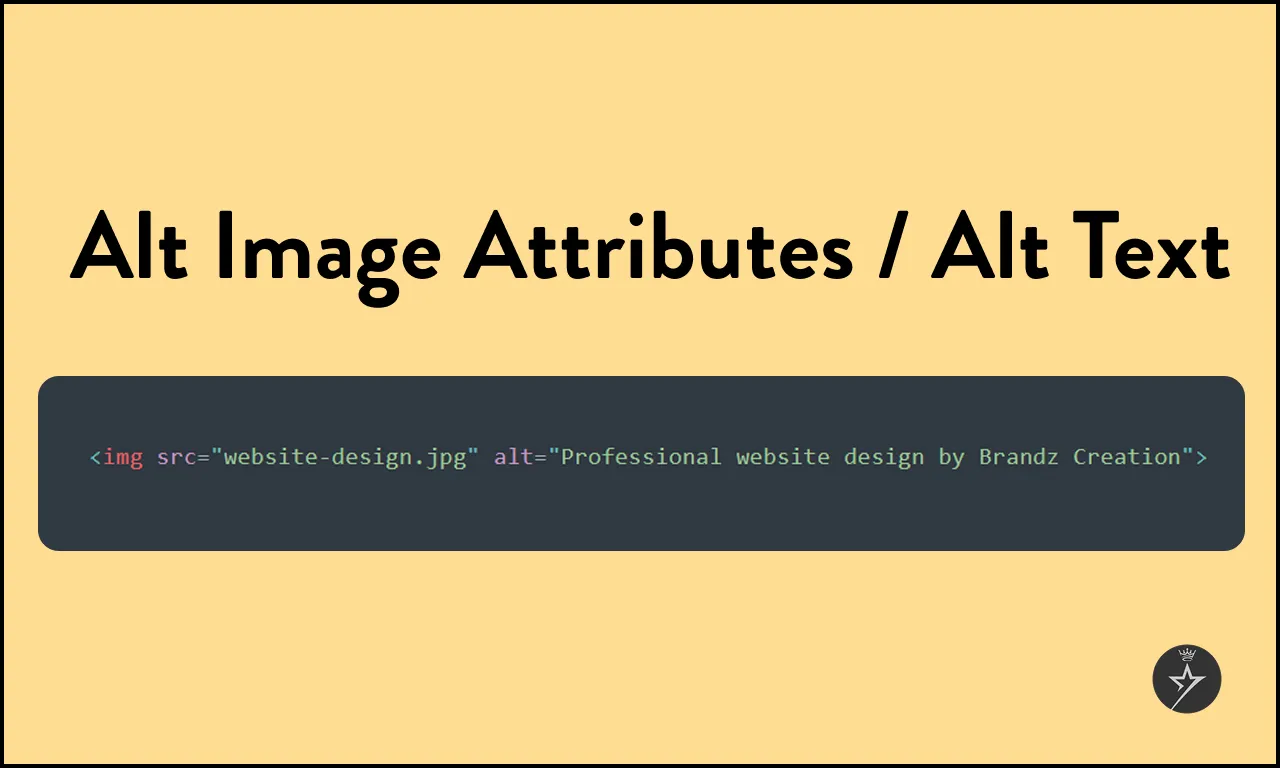
8. Alt Image Attributes / Alt Text
An alt tag (or alternative text) is an HTML attribute in an <img> tag that provides a textual description for crawlers of an image, and alt text describes images for accessibility.
SEO Tip:
Always include keywords naturally where relevant.
9. Meta Redirect/Refresh Tag
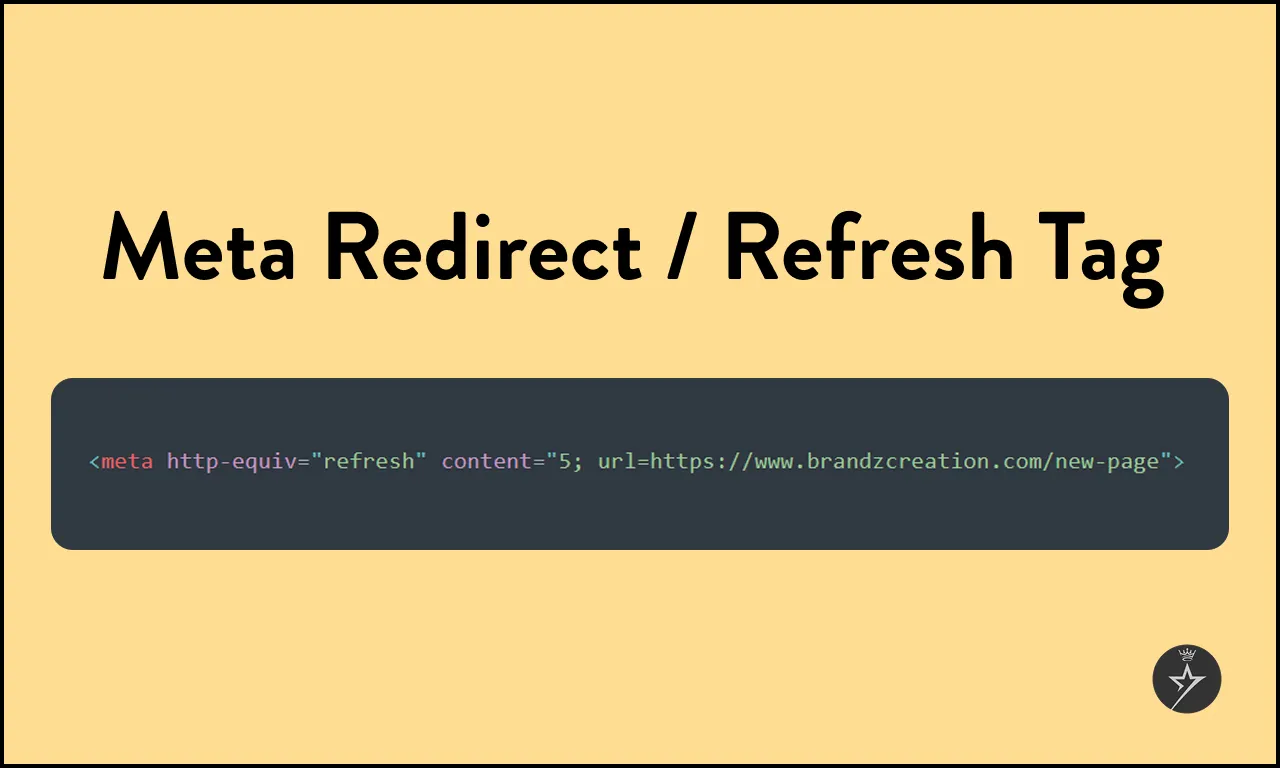
The meta refresh tag lets you instruct a browser (like Google Chrome and Firefox) to automatically refresh a page after a given time interval. For example, this element will tell the browser to refresh the content in 10 seconds.
SEO Tip:
Use sparingly; prefer 301 redirects for SEO.
10. Open Graph Tag
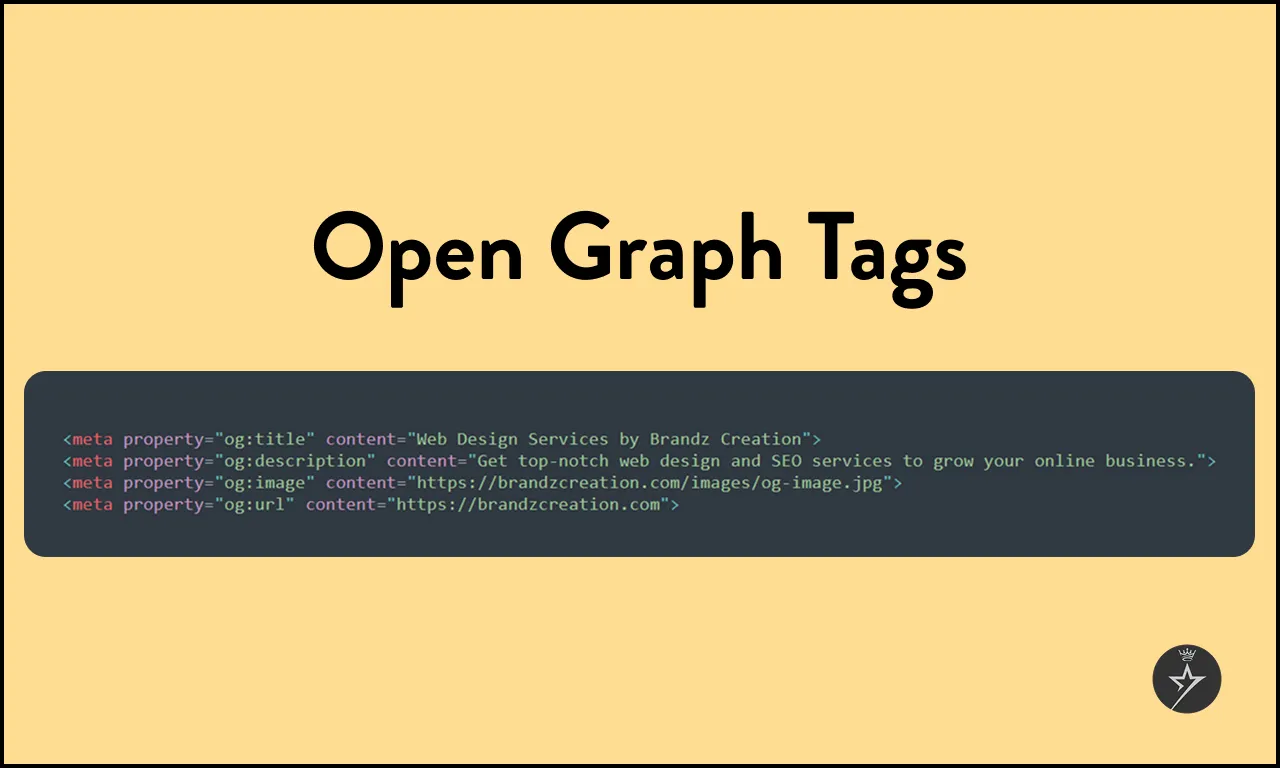
Open Graph tags improve social media sharing. They control how content appears on Facebook and other platforms.
Open Graph is an internet protocol and set of HTML meta tags developed by Facebook that allows you to control how your page content is presented as a "rich object" when shared on social media and messaging platforms like LinkedIn and WhatsApp.
11. Twitter Card Tag
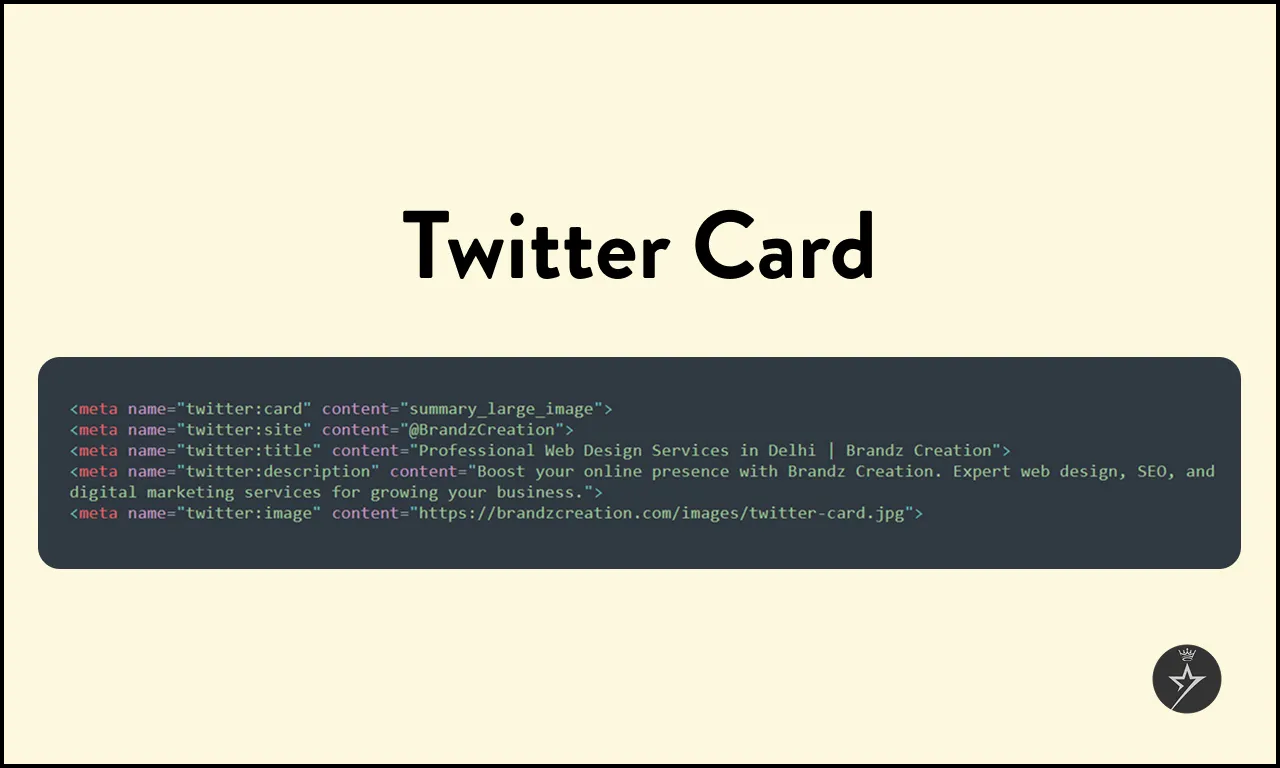
These Twitter card meta tags control how your webpage content appears when shared on the Twitter platform. Twitter Cards are a way to enrich tweets with rich media like images, videos, and other interactive elements when users share links from your website.
12. Heading Tags
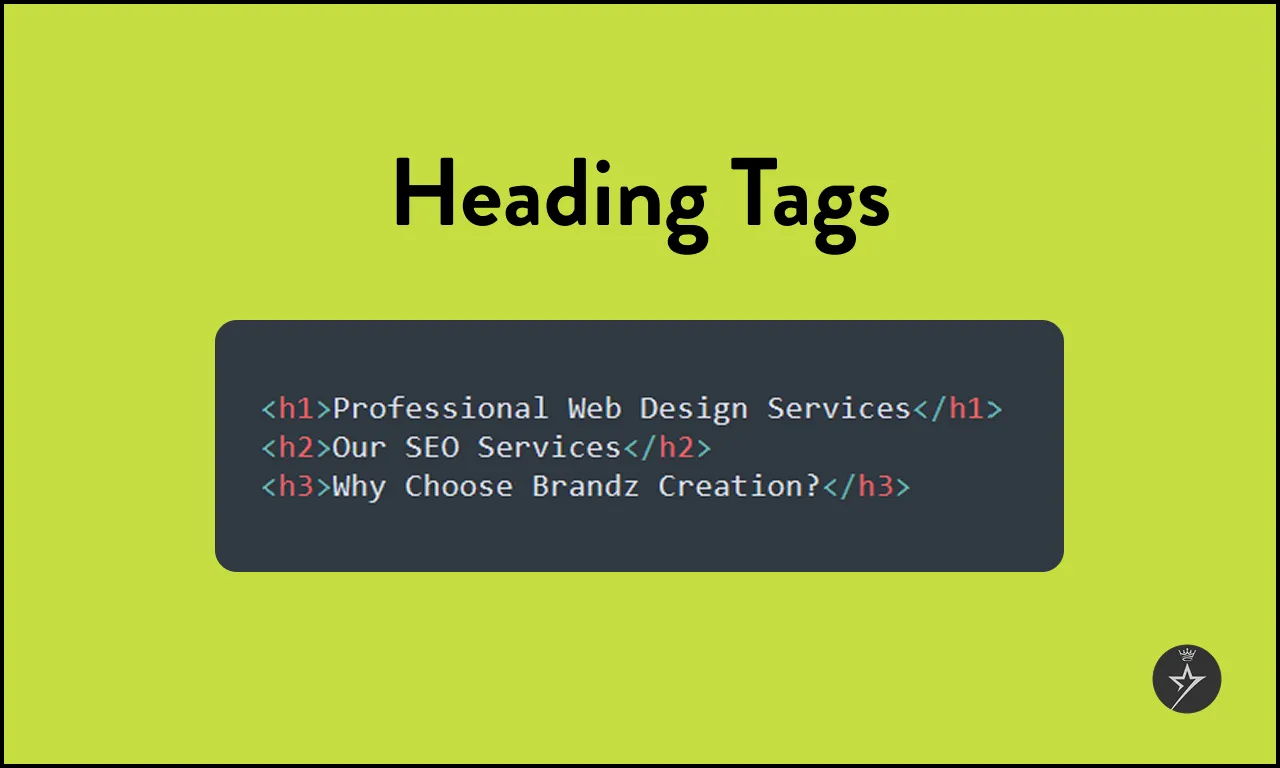
These header tags are used to define headings and subheadings within the content of a webpage. They establish a structure for your content and indicate hierarchy for the text, with <h1> representing the most important heading and <h6> representing the least important.
SEO Tips:
13. Nofollow Attributes
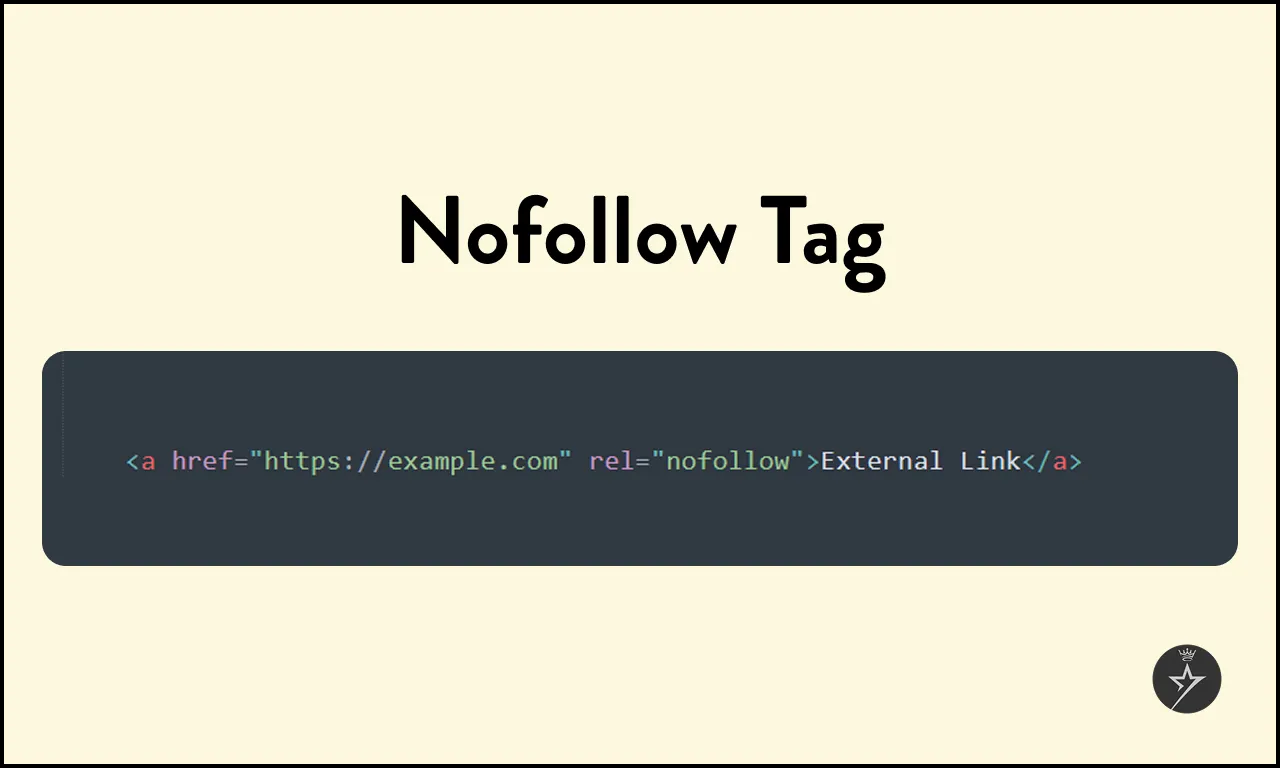
A nofollow attribute is an HTML tag used in hyperlinks to tell search engines like Google that they should not pass "link equity" or "link juice" to the linked page.
This tag prevents search engines from passing link equity to a specific link and the link from contributing to the target page's search engine ranking and is used to combat spam, identify sponsored or user-generated content, or disassociate your site from a linked resource.
SEO Tips:
Paid links, untrusted sources, or comments sections.
14. Hreflang Tag
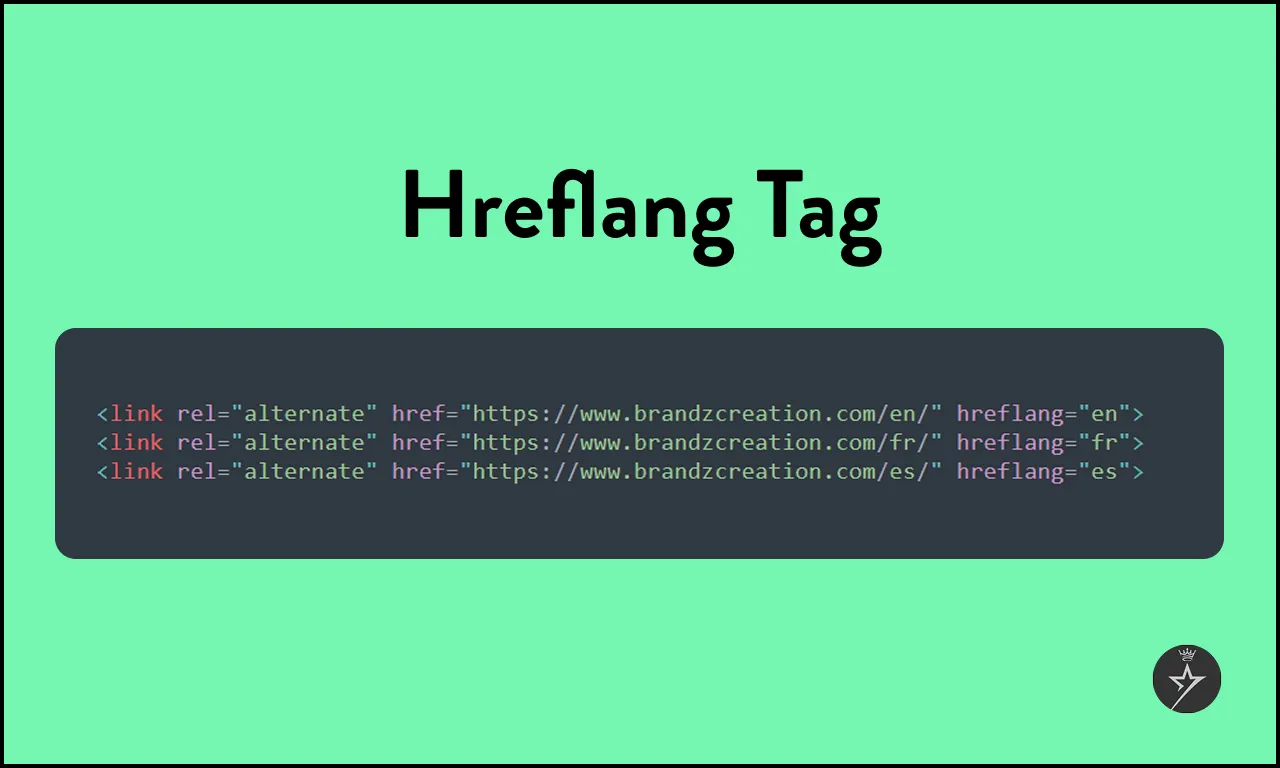
The hreflang tag is an HTML attribute that tells search engines which language should be shown to users. It is essential for websites that have multiple language versions or target audiences in different countries.
Hreflang Tag Syntax
There are two main ways to implement hreflang tags: the HTML link element or the HTTP header.
Explanation
Conclusion
Meta tags are powerful HTML tags that can significantly improve your SEO in search engine result pages. Some tags help you set up how your content looks in search engine results pages, while others give you control over the behaviour of browsers and search engine crawlers on your website. Setting up your meta tags properly can help you increase your rankings in SERPs, as well as take control over the crawl budget.

 Facebook
 Twitter
 Instagram
 Linkedin
 Pinterest
 Youtube



 +91-8851252605
 +91-8851252605
 hello@brandzcreation.in